What was your study and/or professional background prior to this programme?
Before joining the MSc, I studied International Business and Management in Argentina. I also worked as a teaching assistant and junior academic researcher, focusing on areas such as sustainability, strategy and organisational development.
More recently, I started my professional journey at YPF as part of its programme for young professionals, which strengthened my interest in how large organisations approach sustainability, transformation, and long-term strategic decision-making.
Why did you choose to study at the University of Edinburgh Business School?
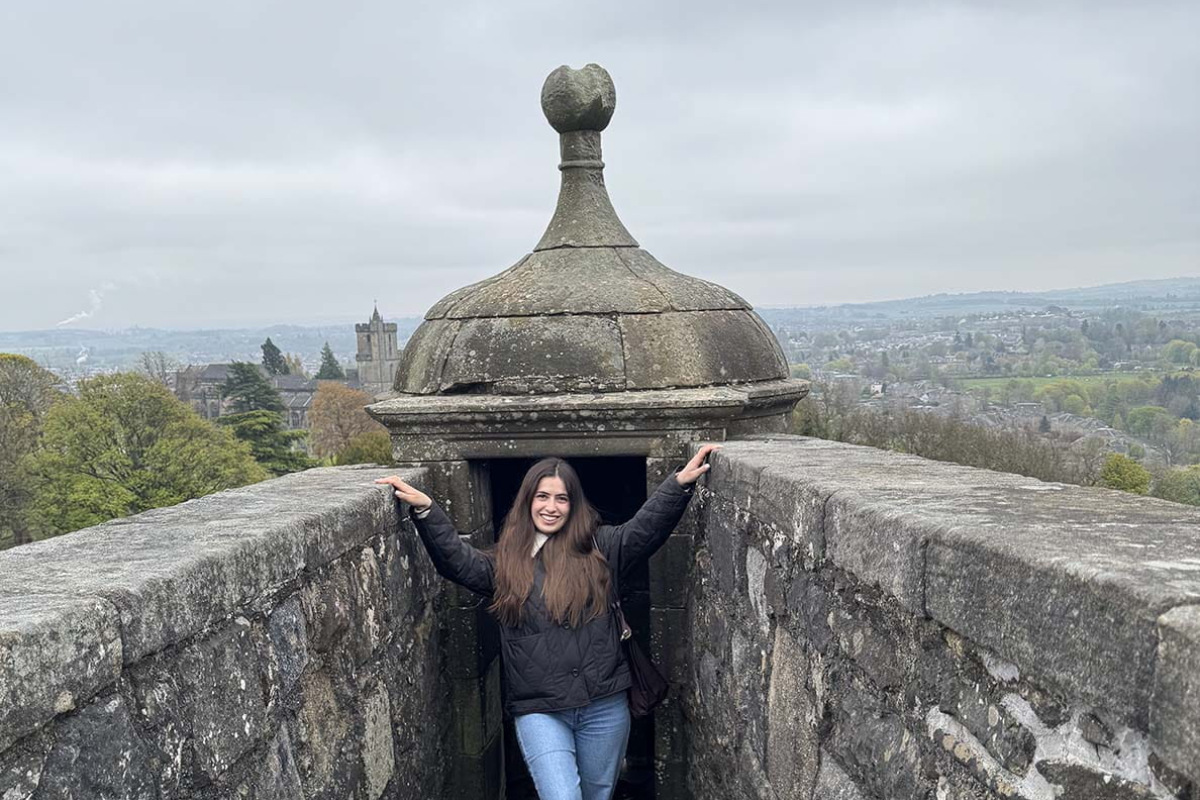
I was looking for an MSc programme that combined academic rigour with a global and purpose-driven perspective. Edinburgh also had a very special meaning for me. During secondary school, I came to Scotland on an exchange experience and fell in love with the city.
Edinburgh is beautiful, inspiring, and full of places that make student life feel memorable, from its cafés and libraries to its parks and views. Coming back here for my Master’s felt like both an academic and personal decision.
About the programme
What was it about the degree programme that particularly attracted you?
I was attracted to the MSc in Global Strategy and Sustainability as it connects strategic thinking with sustainability challenges. I was looking for a programme that did not treat sustainability as a separate issue, but as something embedded in how organisations make decisions, innovate, and create value.
I also appreciated that the degree encourages students to think critically about real-world business problems rather than simply applying frameworks in a theoretical way.
What course(s) have you enjoyed the most so far and why?
One of my favourite courses has been Sustainable Business Consultancy Projects, because it allowed me to work on a real client-facing project and apply what we were learning in a practical context.
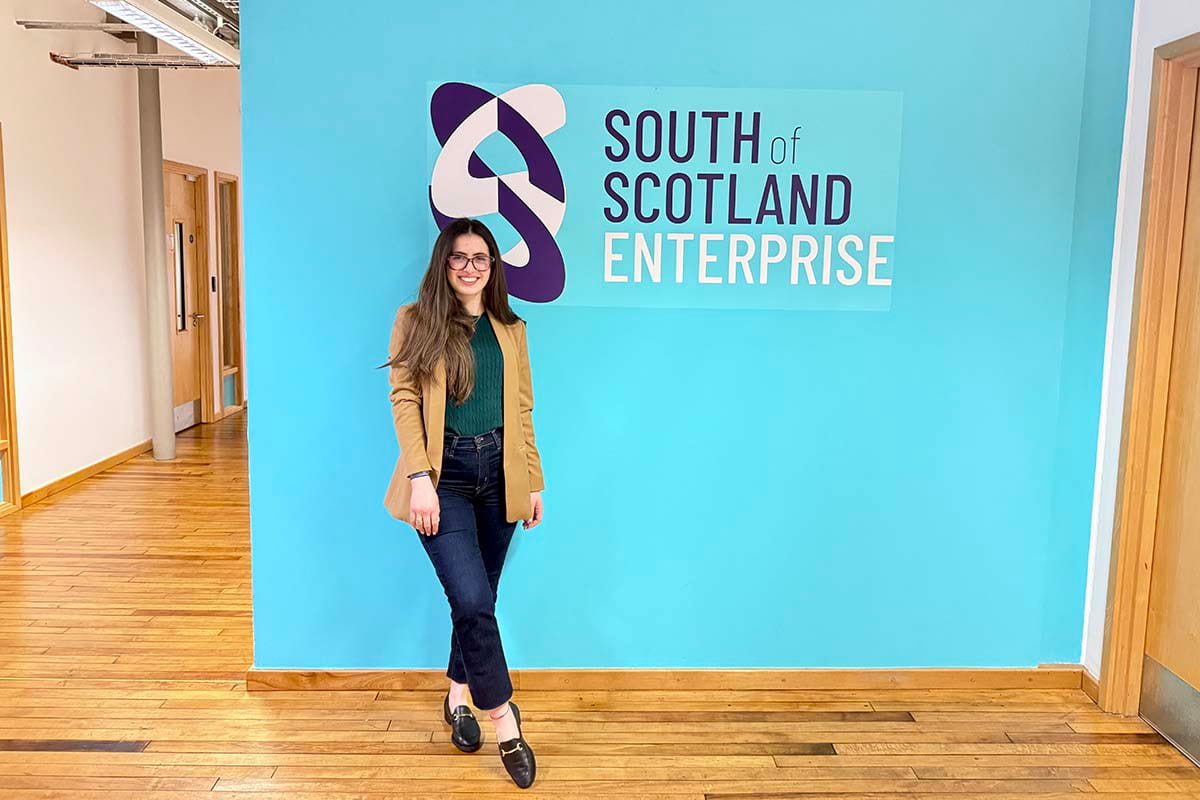
My team worked with South of Scotland Enterprise, exploring how generative AI could support sustainability advisory work. This helped me understand that sustainability is not only about frameworks or policies, but also about people, judgement, organisational routines, and how change is adopted in practice.
It pushed me to think beyond academic analysis and consider what is actually useful for decision-makers working under time pressure and uncertainty. Speaking with advisors and understanding their day-to-day challenges made the project feel meaningful, because our recommendations had to be practical, responsible, and sensitive to organisational realities.
Student experience
What kind of accommodation are you living in and why did you choose that option?
I live in university accommodation, and I would recommend it, particularly for international students arriving in Edinburgh for the first time. It is simple, convenient, and close to the university, which makes daily life much easier when you are adapting to a new city.
Have you done any travel to other parts of Scotland or the UK since arriving in Edinburgh?

I travelled to the Highlands and it was one of the most beautiful experiences I have had since arriving in Scotland. The landscapes are truly breathtaking, with a kind of natural beauty that feels very peaceful and almost cinematic. I loved that sometimes the best part was simply driving around without a fixed destination, discovering small roads, mountains, lochs, and views along the way.
Scotland has so much to offer beyond Edinburgh, and travelling around the country is a wonderful way to experience its culture, history, and natural beauty.
How did you go about making friends and building a community in Edinburgh?
Building a community in Edinburgh happened gradually, through the programme, group projects, and university activities. My advice would be not to feel overwhelmed by the pressure to make close friends immediately. It takes time, but the friendships that form here can be very meaningful, especially because many students are going through a similar process of adapting to a new country, city and academic environment. Once you start finding your people, Edinburgh feels much more like home.
Looking ahead
What are you hoping to do after you graduate from this programme?
After graduating, I hope to continue developing my path in strategy and sustainability, contributing to work that helps organisations make more responsible and long-term decisions.
I am particularly interested in how sustainability becomes embedded in practice, not only through policies or frameworks, but through people, organisational cultures, and everyday decision-making.
My goal is to keep building a career where academic knowledge, strategic thinking, and real-world impact are closely connected.
Do you have any tips for future applicants?

My advice would be to stay curious and make the most of the people around you. Speaking with professors, current students, and alumni can be extremely helpful to gain a better understanding of the programme and what it involves.
The Business School is a very international environment, so some of the most valuable learning happens not only in lectures, but also through conversations with classmates who bring different perspectives and experiences.
I would also encourage future students to enjoy Edinburgh as much as possible: study in its cafés, explore its parks, walk up Arthur’s Seat, visit Portobello, and if you are here in December, do not miss Edinburgh at Christmas time. The city is absolutely beautiful, with its lights, markets, and festive atmosphere, and it really makes the student experience feel unforgettable.