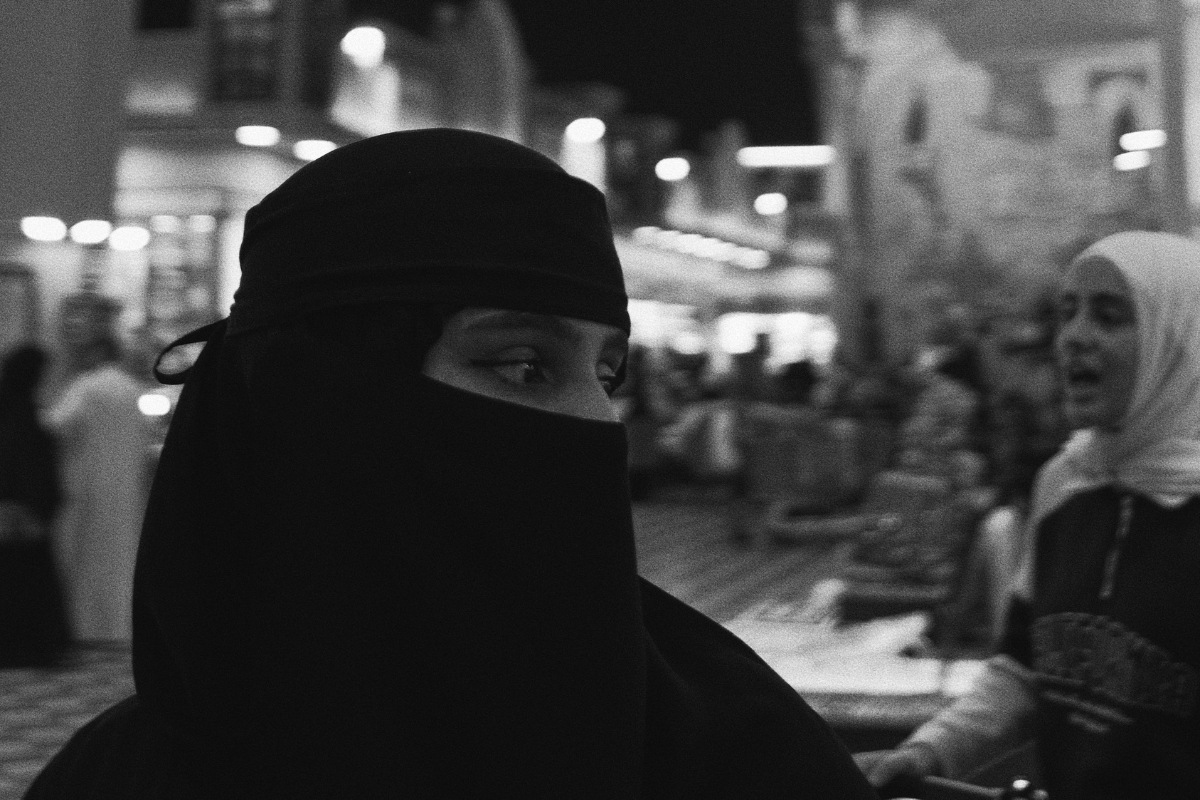
The research, published in the Journal of Managerial Psychology, draws on Dr Faisal Alkadi’s recently completed PhD at the Business School and is co-authored with Dr Thomas Calvard and Dr Debora Gottardello. Based on interviews with 50 women working in Riyadh, Saudi Arabia, the research explores how Islamic religious dress influences women’s experiences in the workplace.
The hijab, which covers the hair and neck, and the niqab, which also covers the face, are common dress practices in many Muslim-majority countries and are part of a broader spectrum of coverings worn by some Muslim women to express modesty, religious belief or cultural identity. Personal conviction, family expectations, social norms, and professional considerations shape these choices.
The research found that women who wear the niqab, despite its broader social endorsement, often face greater barriers to recruitment, communication and career progression. In some professional settings within Saudi organisations, the niqab may be unconsciously associated with traditional ideals of womanhood linked to domestic roles. This image can appear misaligned with certain expectations of what a female ‘ideal worker’ should look like. This dissonance may shape how niqab-wearing women are perceived and supported in the workplace.
The findings come amid significant economic and social reform in Saudi Arabia. Since the launch of Vision 2030 in 2016, the government has introduced wide-ranging policies to diversify the economy and increase women’s participation in the workforce, which has more than doubled from 16% to 36%. As part of these reforms, national guidance on acceptable workplace dress has become more flexible, giving women greater choice in how they present themselves at work. However, many organisations still lack clear internal policies, leaving decisions about dress to individual managers, often male, and reinforcing informal assumptions about what is considered ‘appropriate’ in professional settings.
Dr Faisal Alkadi, said: 'This research highlights that socio-cultural norms may not have kept pace with rapid policy reforms, influencing how women experience inclusion in the workplace. As more women enter the workforce, they face conflicting expectations from employers, families, and society. For women who wear the niqab, these expectations can limit opportunities or create pressure to adapt their appearance.'
Inclusion is not just about removing formal barriers. Organisations must ensure their policies reflect lived experience and respect the diverse ways women express religious identity in the workplace.Dr Faisal Alkadi
Dr Debora Gottardello, Lecturer in Human Resource Management and Employment Relations, said: 'Without inclusive policies that explicitly protect diverse forms of dress, organisations may unintentionally disadvantage religious women, particularly those whose appearance challenges conventional assumptions about professionalism.'
Inclusive policies need to be explicit, consistent and grounded in an understanding of cultural diversity. Otherwise, appearance-based bias can quietly shape decisions and limit progression.Dr Debora Gottardello
Dr Thomas Calvard, Senior Lecturer in Human Resource Management and Organisation Studies, said: “The findings have relevance beyond Saudi Arabia and other Muslim-majority contexts. In any multicultural workplace, dress can carry social and cultural meanings that affect how people are treated.'
HR professionals must reflect on how inclusion is defined in practice and how informal norms and assumptions can undermine even the most well-intended policies. Active efforts are needed to create spaces where difference is understood, not filtered out.Dr Thomas Calvard

Dr Faisal Alkadi is an Assistant Professor at King Saud Univedrsity.

Thomas Calvard is our Personal Chair of Work and Organisation.
Debora Gottardello has a Lectureship in Human Resource Management/Employment Relations.